
MG-NREGA Convergence
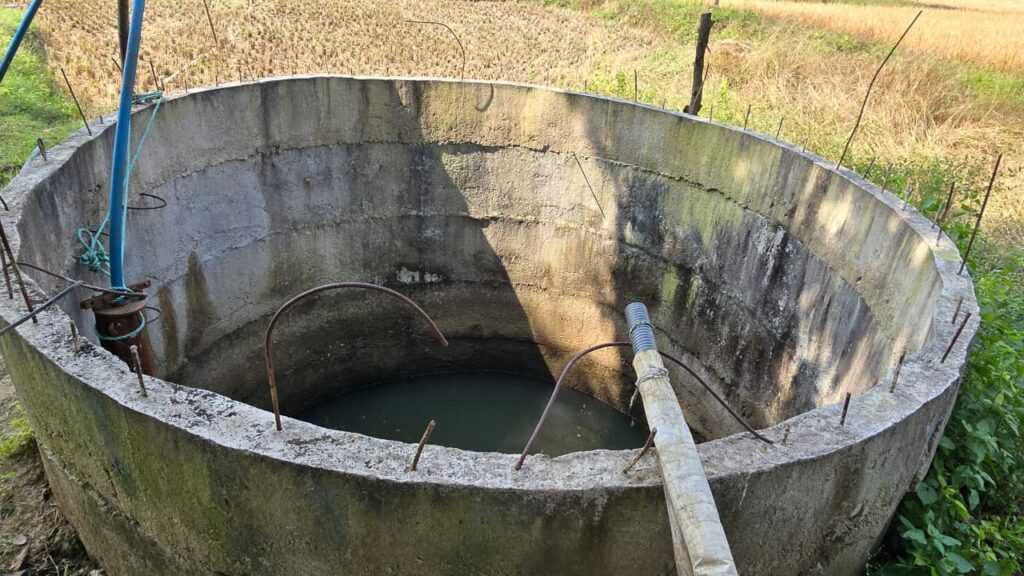
MG-NREGA Convergence refers to integrating MGNREGA with other government schemes and development programs to maximize resources and impact. Through convergence, assets are created more effectively in areas like agriculture, water conservation, infrastructure, and livelihood promotion. It helps reduce duplication of efforts and ensures sustainable rural development and better outcomes


Impact
Enhanced livelihood security, improved rural infrastructure, and sustainable development make MG-NREGA convergence a cornerstone of India’s rural transformation strategy.
Empowering Farmers
Vanami Foundation supports to Empower farmers is pivotal for global food security and sustainable development. By providing equitable access to modern technology, quality education on climate-resilient practices, fair market linkages, and robust financial support, we can significantly uplift rural communities. This approach moves beyond subsistence farming, fostering self-sufficiency and economic independence. When farmers thrive, supply chains stabilize, nutritional security improves, and local economies flourish. Investing in their capabilities ensures a resilient agricultural future capable of meeting the demands of a growing population while protecting environmental health. Our collective future depends on ensuring every farmer has the tools and opportunities to succeed.
MG-NREGA Convergence: Empowering Rural Development
Mahatma Gandhi National Rural Employment Guarantee Act (MG-NREGA) convergence refers to the strategic integration of MG-NREGA with other government schemes to maximize rural development outcomes. Launched to provide 100 days of wage employment to rural households, MG-NREGA’s effectiveness is enhanced through synergy with programs like MGNREGS-Soil Health Card, Jal Jeevan Mission, PM Awas Yojana, and Swachh Bharat Mission.
Key Benefits:
Resource Optimization: Shared infrastructure and manpower reduce duplication
Holistic Development: Addresses multiple needs (water conservation, sanitation, housing)
Sustained Assets: Creates durable community assets
Increased Wages: Workers earn from multiple schemes simultaneously
Implementation Strategies:
Planning Integration: Unified Gram Panchayat Development Plans
Converged Worksites: Multiple schemes executed at single locations
Capacity Building: Training for officials and workers
Digital Monitoring: Integrated MIS platforms